Innovation

Launch of Coalition Next in Belgium

July 14, 2022

Share this article

Facebook icon

.st0{fill:#00857C;} X icon

Linkedin icon

Email icon

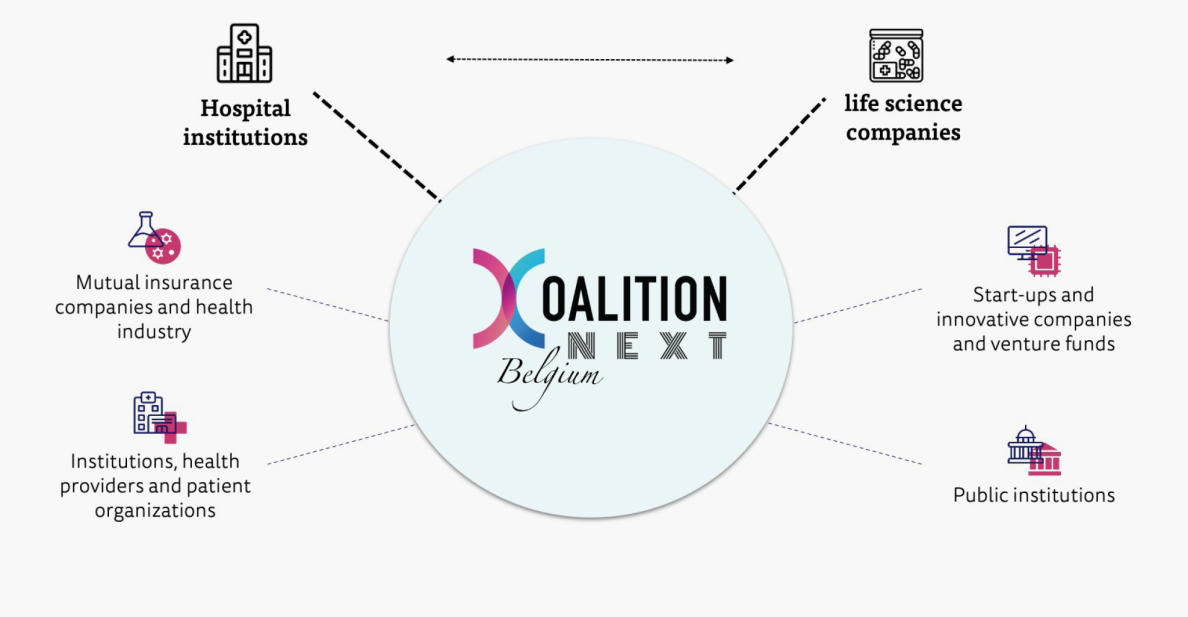
Coalition Next was first founded in 2020 in France by Digital Pharma Lab in the context of the Corona pandemic. It is a coalition of pharmaceutical industries, patient organizations, and healthcare organizations, that launches once or twice a year, a call for projects for start-ups in digital health and medical devices to meet the pre-identified needs of these organizations.

As the methodology has proven its success in France with more than 30 projects supported, in more than 50 healthcare institutions, for an amount of nearly €4.5m, concerning 20,000 patients, Coalition Next Belgium was launched in March 2020. MSD Belgium is one of the founding members and Azèle Mathieu, Innovation Lead, is its President for 2022. The Vice President is Dieter De Court, Innovation Manager at UZ Brussel.

Every week, Coalition Next Belgium gathers together its different members (note that any organization active in healthcare can still join CNB) who are convinced that together it is possible to co-create our future healthcare system by implementing digital solutions to address the main challenges of the Belgian healthcare system. Concretely, the pharmaceutical companies commit to finance the implementation of the start-up’s solution in the hospital if the project makes sense to them. This offers an excellent opportunity for healthcare organizations to benefit from expertise in selecting innovative projects and financial support for the implementation of the selected solution.

The following organizations are currently members of Coalition Next Belgium:

  • AZ Delta
  • AZ Groeninge
  • AZ Maria Middelares
  • AZ Sint Maarten
  • AZ Voorkempen
  • Brugman UHC
  • Cliniques de l’Europe
  • Eli Lilly
  • I-Mens
  • Imec.istart
  • Ipsen
  • Jules Bordet Institute
  • Lifetech.brussels
  • MSD Belgium
  • Novartis Belux
  • Roche Diagnostics
  • Roche Pharmaceuticals
  • Shared Patient Experience (SPX)
  • Takeda
  • UZ Brussels

The first call for projects shall be launched in September 2022.

For more details, please visit: Coalition Next Belgium

Health Literacy

MSD invests in health literacy with klarekijkopkanker.be

July 12, 2022

Share this article

Facebook icon

.st0{fill:#00857C;} X icon

Linkedin icon

Email icon

klarekijkopkanker.be

Health literacy, or a better understanding of their illness, is invaluable to the quality of life of cancer patients. Freya Rowaert knows this all very well too. She is 44 and has been living with cancer for 20 years. And she has been working for MSD for just as long. We are proud that, together with Freya, we were able to launch the brand-new information platform Clear view on Cancer. This is how we contribute to a world; with a better understanding of cancer for those who must live with it.

Inform, inspire and support

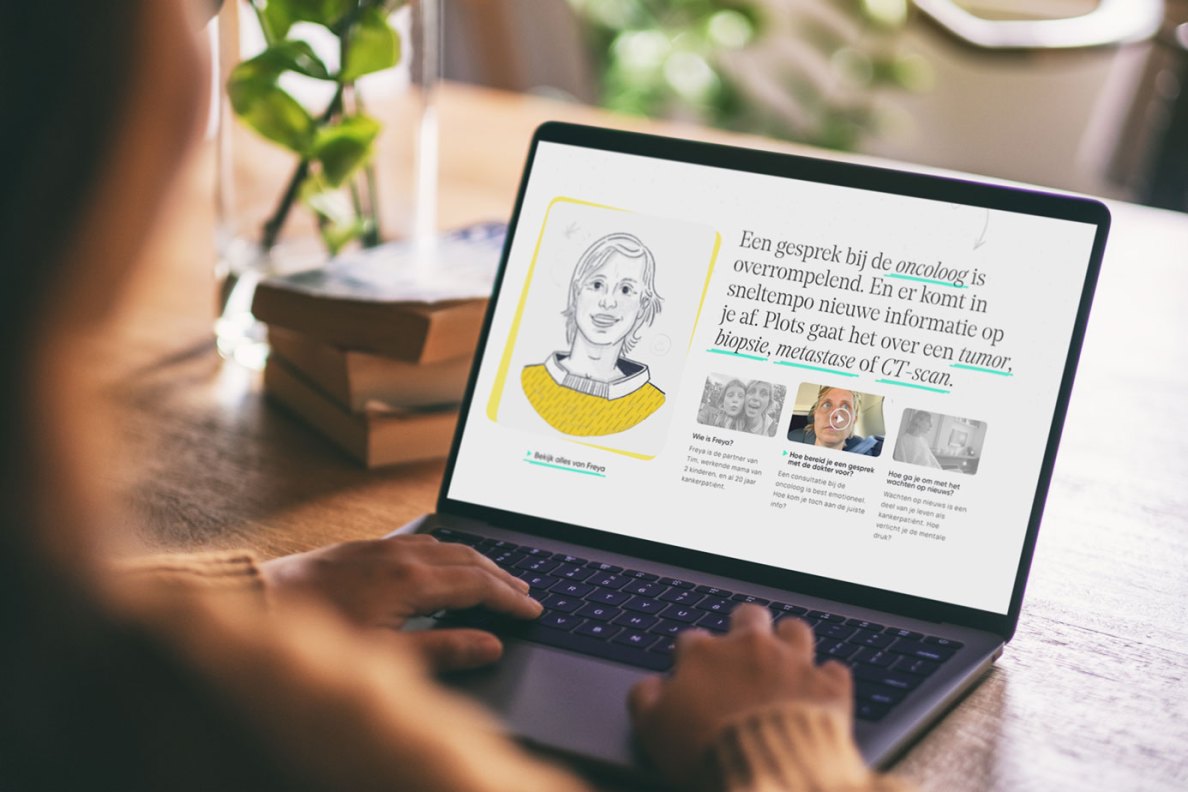
With Clear view on Cancer, we want to inform, inspire, and support cancer patients and their loved ones, by providing clear information about the disease and how to deal with it. By giving the right information and making cancer a subject of discussion, we want to increase patients’ knowledge of their illness. In this way they learn to better understand their disease and can better communicate with their caregivers and their environment.

On Klare kijk op Kanker, Freya Rowaert herself is the guide for cancer patients and their environment. She has been dreaming for a while of offering patients and their families, some clear information: “With Clear view on Cancer I want to give others what I often missed myself: clear, accessible information, from patient to patient.” She also wants to offer moral support and to relieve stress and uncertainty. First and foremost, by sharing her own experiences: “By sharing what I have learned along the way, I hope to inspire others on how to deal with their diagnosis and their illness. Knowing where you stand, can save you a lot of uncertainty and stress.”

Vocabulary and videos

The content on Clear view on Cancer is twofold. Visitors find a concise glossary of cancer jargon, which is clearly and briefly explained. In addition, Freya and various ambassadors share their knowledge and experiences with visitors via short theme videos.

Recently, science watcher and former cancer researcher Hetty Helsmoortel strengthened the Freya team. Together they worked out a dozen new videos, including how does cancer arise, what causes cancer, is cancer hereditary, and what is a biopsy?

And the platform is constantly being supplemented with new vocabulary and more stories from different ambassadors: other patients with their own stories, as well as scientists, people from the field and doctors. In this way, Clear View on Cancer will continue to grow and create more and more clarity in the complex world in which cancer patients suddenly find themselves after their diagnosis.

View the platform at www.klarekijkopkanker.be

Health Awareness

Results from the MSD’s #CancerScreening Barometer 2021

04/04/2022

Share this article

Facebook icon

.st0{fill:#00857C;} X icon

Linkedin icon

Email icon

The MSD #CancerScreening Barometer is a survey that reflects the knowledge and attitude of the Belgian population towards cancer screening.

Cancer screening is an important factor that positively impacts disease outcome, unfortunately, the survey shows that 6 out of 10 Belgians have the feeling they lack information on screening.

Belgium is at the European top regarding breast cancer screening

But 78% of surveyed women weren’t aware of the recommended screening age of 50, and 25% of those above 55 years old have never had mammography.

Other cancers have even worse numbers, where 46% of men above 50 have never done a colon cancer screening and even 66% of them for prostate cancer.

1/3 of the respondents find cancer screening a painful and scary experience, but it saves lives.

Cancer screening is not a fun experience, 1/3 of the respondents find it a painful and scary experience, but it saves lives.

78% of the respondents also think we have a huge gap to fill in terms of cancer diagnosis due to the COVID-19 crisis, which has already been confirmed by the medical community.

Let’s work together on creating more awareness on screening and screening programs to help improve disease outcomes in Belgium.

Download the infographic in FR and NL.

Health Awareness

Finding yourself after surviving head and neck cancer

31/03/2022

Share this article

Facebook icon

.st0{fill:#00857C;} X icon

Linkedin icon

Email icon

Head and neck cancer will impact not only someone’s health, but also someone’s sense of self. Paolo Berti survived head and neck cancer caused by the papillomavirus. In two years time, three tumors had to be removed. For the first tumor they used chemoradiotherapy, for the second a lymph node dissection and for the third tumor he had to undergo robotic surgery. Paolo shares his story about the way the disease has changed his life.

Something we need to talk about

It is pretty well known that the papillomavirus can cause severe diseases such as cervical cancer. It is less well known that it can also seriously affect men and cause diseases such as head and neck cancer.

“When you receive the diagnosis, you can’t help but ask yourself ‘why me?’. You don’t understand why this is happening to you. Being a non-smoker and a non-drinker, it took the doctors more than a year to determine that the disease was caused by the papillomavirus. That’s why it’s very important to me to talk about the ways in which this virus can affect men.”

Rebuilding life as a cancer survivor

The treatment of the head and neck cancer had a big effect on the way Paolo speaks. It is more difficult to understand him, which impacts both his personal and his professional relations.

“I was a salesman, I was often on the road. It was easy for me to talk to people. I was a communicative person. But now, unfortunately, communicating is not easy for me. My speech is not very clear, I am not easy to understand. Sometimes this can hold me back.

My friends and family know me, so it’s not an issue for them, but it’s hard when you have to ask for information on the phone or when you have to present yourself for work. Those moments are very difficult.

Accepting what happened

After the diagnosis and the treatment, Paolo was left feeling unhinged. The life he had known before was gone. He had to rediscover who he was and what was important to him.

“The most difficult part is accepting what happened and to find a new drive. Both physically and mentally, the recovery was very difficult. I lost 22 kg and had to rebuild a lot of muscle mass. And I had some trouble mentally, because many of the things that I did before are now no longer possible. Everything that you worked for the past 48 years, your studies, your career … just like that it’s gone.

You have to find yourself again. At the beginning it was very hard. But I have adopted two dogs and I often go on walks with them. Slowly, I am finding myself again. It was hard at first, but now I can manage.

Confucius once said: ‘you only have two lives and the second one begins once you realize that you only have one.’ To me, this means that you really have to enjoy every moment, because you never know what tomorrow will bring.”

Our Values

Working at MSD: together we create a more hopeful future

04/04/2022

Share this article

Facebook icon

.st0{fill:#00857C;} X icon

Linkedin icon

Email icon

At MSD we invent for life, for a more hopeful future. All our employees, both inside and outside of the laboratory have one thing in common: the desire to improve and save lives through continuous innovation. Discover more about the values and beliefs that motivate us.

To live life in full colours

We know that life can surprise you, sometimes for good, and sometimes for worse when your health is threatened. We want to be there for you during those difficult moments in your life. Or better yet, to prevent those moments from happening. We invent and innovate, so that you can live life to the fullest. That’s what motivates us.

We see possibilities

We approach each project as a white canvas. There are no restraints, only possibilities. We face challenges as they come and rely on integrity, knowledge, imagination, skill and teamwork to find a solution.

Together we fight diseases such as cancer, HIV and Ebola, develop vaccines and invent new medicine. We have been doing this for over 130 years and will continue to challenge ourselves to stay at the forefront of research to prevent and treat disease that threaten people and animals.

4 values to guide us

No matter what challenge we face, our actions and decisions are always guided by four values that represent the very core of our character:

  • Patients first: All of our actions must be measured against our responsibility to those who use or need our products;
  • Respect for people: We work to create an environment of mutual respect, inclusion and accountability. We reward commitment and performance and are responsive to the needs of our employees and their families;
  • Ethics and integrity: We are committed to the highest standards of ethics and integrity. We do not take professional or ethical shortcuts. Our interactions with all segments of society must be transparent and reflect these high standards.
  • Innovation and scientific excellence: Our research is guided by a commitment to improving health and the quality of life. We strive to identify the most critical needs of patients and customers, and through continuous innovation we challenge ourselves to meet those needs.
Our People

This leader works to ensure diversity and inclusion is visible in everything we do

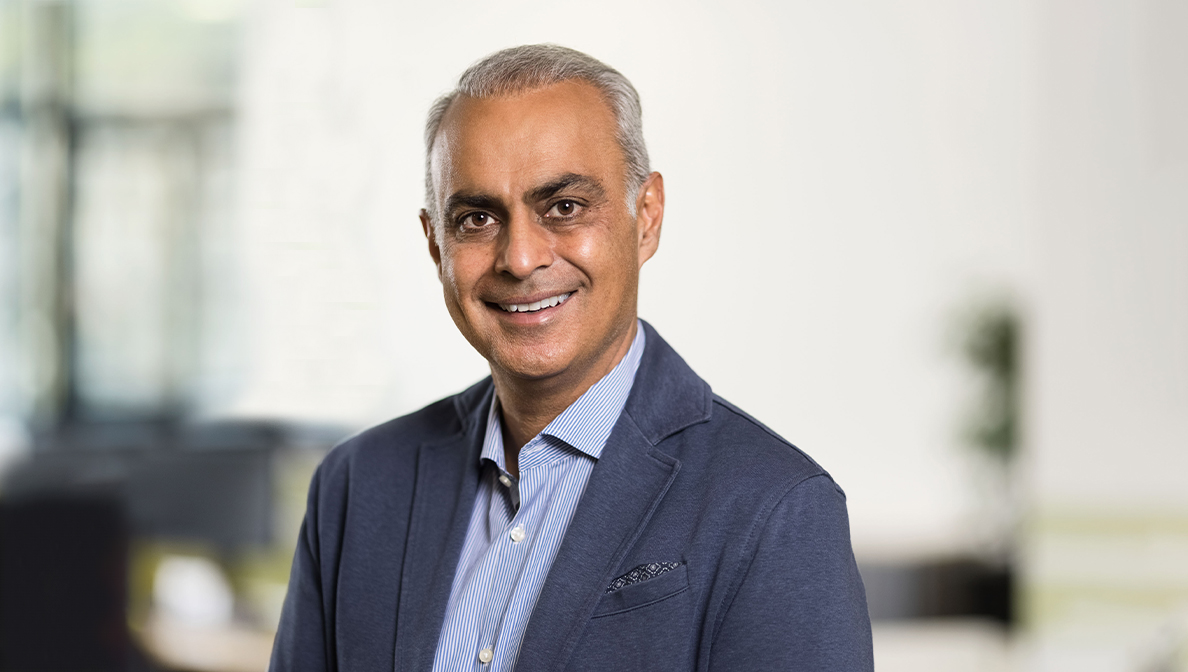
Deepak Khanna, president, Europe and Canada, demonstrates how “diversity is a fact, but inclusion is an act”

04/04/2022

Share this article

Facebook icon

.st0{fill:#00857C;} X icon

Linkedin icon

Email icon

Inclusion in the workplace is said to be key to employee retention. And research shows that hiring a diverse and inclusive workforce contributes to higher revenue growth, greater readiness to innovate and the increased ability to recruit a diverse talent pool.

“For our company, diversity and inclusion is something that everyone is really passionate about and something I like to see in everything we do."

Deepak Khanna

President, Europe and Canada

Khanna oversees about 6,000 employees in our company’s commercial operations across Europe and Canada. These operations include sales, marketing, pricing and access, and external affairs — which can range from the process of getting our medicines approved to making them available to patients, governments, payers and health care providers.

“As a leader, I work to ensure that we are reaching a diverse set of patients who can benefit from our innovations, and that patients of all ethnic and socioeconomic backgrounds have access to them,” said Khanna.

When it comes to our leadership programs, how we interact with customers, how we support inclusion in our communities, and our external communications such as online messaging, Khanna ensures we uphold our commitment to diversity and inclusion.

“It’s not only important that diversity and inclusion is visible at our company, but it is also important to ensure that our medicines are available and affordable to patients who need them all over the world, whether they’re rich or poor. We also work to make sure health care literacy is made available, so people understand what their medicines are, what their health care system is and how to best navigate it,” he explained.

“Diversity has always been a part of my life”

Diversity and inclusion has been a passion of Khanna’s from an early age.

Khanna, who is of Indian descent, was born in London and moved to Canada when he was about two years old. After spending four years in Canada where he learned to speak French, his family moved to Chicago and then finally to California where he spent much of his teen and early adult years.

“I’ve grown up around people from different cultures and backgrounds so for me it is just a natural way of life and a natural way of working,” said Khanna.

Once he joined our company, Khanna held various roles that gave him the opportunity to travel the world, where he further learned to appreciate different cultures and backgrounds.

“Diversity of cultures is something that I’ve always been fascinated by because there’s always something to learn from other people, how they do things and how they approach things,” said Khanna. “The ability to appreciate other cultures and diversities of all kinds including race, gender and religion, is what helps us all get a broader perspective on work and life.”

A role model in diversity and inclusion

Khanna’s diverse background and exposure to different cultures and values were influential in developing his passion for diversity and inclusion. But most of all, one person in his life truly inspired him: his great uncle.

Khanna’s great uncle was a physician and a general in the Indian Air Force. From the time he retired to when he was around 85 years old, he would still open his home several days a week to treat the poor people in his neighborhood for free.

“I’ll never forget that. He just said, ‘We are privileged, and I want to make sure for as long as I am able that I continue to treat any person around the neighborhood I can. It doesn’t matter how much money they have, I want to make sure they have access to medicines and that I can help them,” said Khanna.

Khanna kept the lesson from his great uncle to support others that are less fortunate.

“I did learn from him the importance of giving. It doesn’t matter who you are, you should have access to treatment and medical care, and I try to translate that to what I do in my role.”

Diversity is a fact, but inclusion is an act

Throughout his time at our company, Khanna has taken to heart something a team member once told him: “diversity is a fact, but inclusion is an act.”

In other words, we can measure diversity with numbers, but leaders also need to know how to leverage diversity of thought and culture into something more.

“What I’ve learned is focusing on diversity is important, but it doesn’t mean a lot until you figure out how you can get this diverse group of people to work together in the most effective way,” said Khanna.

He thinks it’s important to make sure people feel safe to speak up, and to always look for ways to make them feel welcome and comfortable in an inclusive environment.

“People could be scared to speak up because it could have an impact on them or they may think leaders don’t really listen, but the impact of that is we will lose the diversity of thoughts and beliefs that can make us a better business,” he said.

And Khanna believes that other point of views, perspectives and cultures give us the knowledge on how to best approach a business problem or challenge.

“That is what diversity and inclusion brings,” said Khanna. “Different and unique perspectives on how to do things in a very different way, keeping us fresh and nimble and able to respond to any challenges we have to face.”

Health Awareness

You have the power to help prevent disease

Life as we once knew it has changed. One thing that hasn’t changed is our focus on our families. By following routine vaccination schedules, you can help protect yourself and your loved ones during these uncertain times.

November 17, 2021

Share this article

Facebook icon

.st0{fill:#00857C;} X icon

Linkedin icon

Email icon

Managing your health can be tough, especially during a pandemic. Fortunately, there’s still a lot you can do to help keep yourself and your family healthy. By staying up to date on recommended vaccinations, you can help prevent a variety of infectious diseases.

Talk to your health care provider to learn which vaccines are recommended for you and your family.

Infants and children

Adolescents

Adults

Your health care provider can help

If you’re preparing for an appointment, here’s a checklist of suggested questions to ask and actions to take to help keep you safe:

Ask office if there are designated hours for sick vs. well visits
Ask if there are guidelines in place for social distancing (e.g., waiting room guidelines, a wait in car protocol, check-in by phone, etc.)
Wear a mask and bring hand sanitizer
Health Awareness

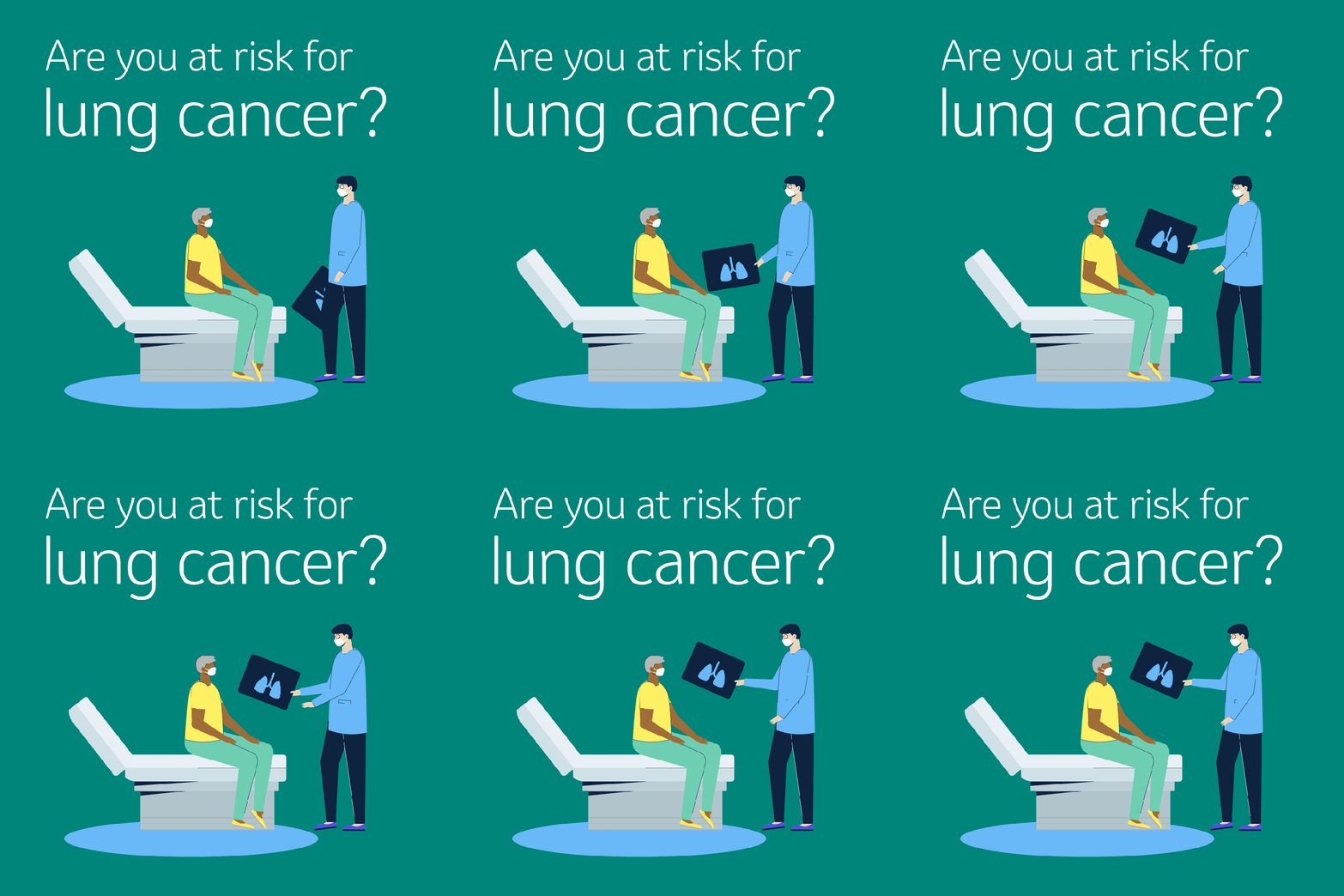
At risk for lung cancer? Know the signs & symptoms

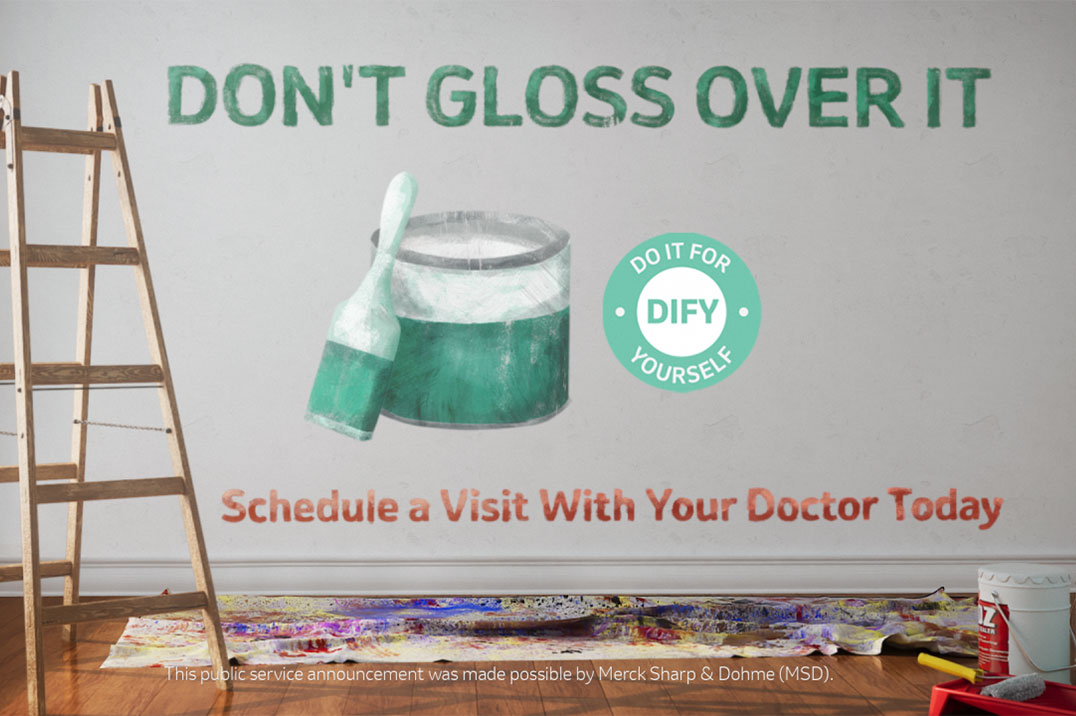
Don't gloss over it, visit a doctor – do it FOR yourself

November 17, 2021

Share this article

Facebook icon

.st0{fill:#00857C;} X icon

Linkedin icon

Email icon

Delayed doctor’s visits can have a lasting impact, especially for those at risk for lung cancer

With more time spent at home during the COVID-19 pandemic, many of us became do-it-yourself-ers – taking on new home improvement projects, dinner recipes and self-care routines. But one thing we may not have tackled is our health.

According to the World Health Organization, many countries experienced disruptions to health services during the pandemic, including primary care visits and cancer screenings.

primary article image

This is concerning because certain diseases, such as lung cancer, have better outcomes when detected early.

Annabelle Gurwitch, best-selling author and activist living with lung cancer

“In May 2020, I went to an urgent care center for a COVID-19 test. I mentioned I had a persistent cough but couldn’t recall how long it had been going on – and like many people during the pandemic, I put off going to the doctor to have it checked out. The COVID-19 test was negative, but a chest X-ray revealed a concerning mass on one of my lungs. Soon after, I received a diagnosis of stage four lung cancer.”

Early detection of lung cancer is important

Lung cancer is the leading cause of cancer death worldwide, accounting for nearly 1-in-5 cancer-related deaths. Most lung cancers are not diagnosed until they have reached a late stage and are harder to treat.

That’s why it’s so important to get our primary care visits back on track, especially if something isn’t right.

“Many are unaware of the importance of early detection and there’s also very little understanding about lung cancer in general, including the signs and symptoms of the disease. Personally, I had no idea how prevalent lung cancer is among active, otherwise healthy, non-smoking women like myself. Had I been aware, I might have gotten my cough checked out sooner and maybe even been diagnosed at an earlier stage. That’s why I am sharing my story to encourage people to prioritize their health and schedule their routine doctor’s visits,” says Annabelle.

Recognizing symptoms of lung cancer and knowing your risk

Some of the most common symptoms of lung cancer are an unexplained, persistent cough lasting more than three weeks or shortness of breath.

While anyone can get lung cancer, your risk goes up if you are over 50 years old and:

  • currently smoke or smoked in the past
  • have been around secondhand smoke
  • have a family history of the disease, such as a parent or sibling
*The above list does not include all risk factors for lung cancer

Don’t gloss over it: Schedule a doctor’s visit

Now that we are starting to return to our regular schedules, it’s time to tackle our health again. If you have an unexplained cough lasting more than three weeks or shortness of breath, don’t gloss over it.

While you may still have some concerns about visiting your doctor, most offices have rules to protect their patients, such as COVID-19 screenings. Work with your doctor to come up with a plan that’s best for you.

Do it FOR yourself and take this simple step to help protect your health.

Innovation

Taking on Ebola

How science and innovation fuel our efforts to help combat a deadly disease

November 17, 2021

Share this article

Facebook icon

.st0{fill:#00857C;} X icon

Linkedin icon

Email icon

Patients are our purpose. That’s why we pursue the best science in our inventions and everything we do. Every breakthrough we create has the potential to build a healthier, more hopeful future for people everywhere.

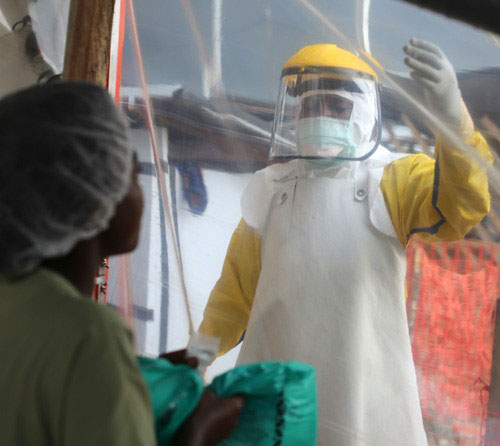
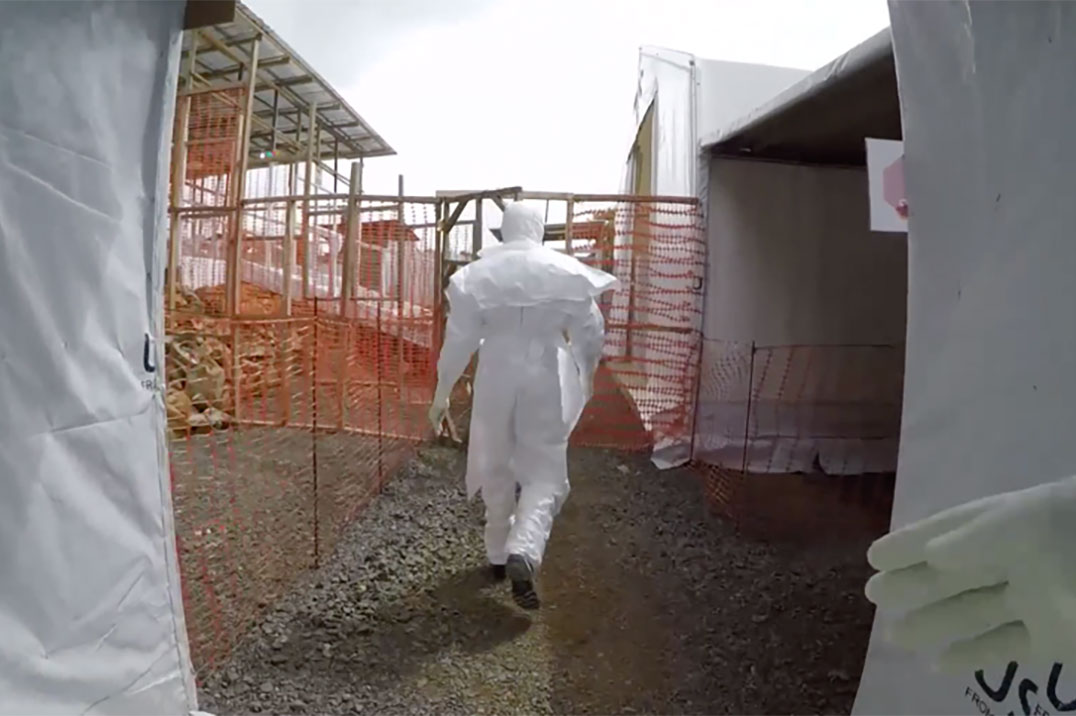
Our company is a health care leader in the fight against Ebola. Along with external collaborators from all sectors, our scientists are at the forefront of the response to outbreaks of this deadly disease as we continue to address this global health challenge. Ebola Zaire virus has had a devastating impact on the world and has proved itself to be a deadly and contagious disease, with a survival rate of 50%.

MSD plays an important role in discovering and developing innovative medicines and vaccines to treat and help prevent infectious diseases. Global public health preparedness against future Ebola outbreaks requires advanced planning, system readiness for rapid deployment and collaboration and partnership between public and private entities around the world. Our partnerships with the World Health Organization (WHO) and other health partners around the globe are a crucial component of our commitment to helping save and improve lives.

“It’s something that we take incredibly seriously and with a great sense of urgency to make sure that we do everything we can to support the teams on the front lines,” says Beth-Ann Coller, distinguished scientist, clinical research, MSD Vaccines.

“Our team works with a 24-7 mentality to help tackle these outbreaks.”

Beth-Ann Coller

Safeguarding the future

In 2021, MSD established an agreement with UNICEF to create the world’s first global Ebola stockpile, the result of breakthrough innovation and collaboration with four leading international health and humanitarian organizations across the world. The global stockpile will offer a critical, rapid-response tool to help combat future outbreaks of this highly contagious illness that is endemic in parts of Central and West Africa.

“It has been our honor to collaborate with WHO, Gavi, UNICEF, the U.S. government and many others in getting to this point,” says John Markels, Ph.D., president of MSD Vaccines. “While there remains important work ahead, the stockpile is a new and powerful tool in supporting future outbreak preparedness and response efforts. This historic milestone demonstrates what’s possible when partners come together to pursue a common purpose.”

This level of collaboration continues to be needed for Ebola and other diseases. We remain committed to working in collaboration with WHO and other global and local health partners to support current and future outbreak response efforts.

As seen in the most recent suspected outbreak in Côte d’Ivoire declared in August 2021, our work continues. We will maintain our efforts for as long as needed.

Watch the video

primary article image
Our People

Women in science? Absolutely

Strong career paths and cutting-edge science draw more women to our small molecule process R&D team

October 29, 2021

Share this article

Facebook icon

.st0{fill:#00857C;} X icon

Linkedin icon

Email icon

Women have made an essential impact on the rich history of our company and continue to inspire our present and future. Our world is diverse. To have the greatest impact, we champion a diverse workforce that reflects the individuals we serve, including women. 

Globally, women make up nearly half of our workforce. They hold 36 percent of executive roles and 43 percent of management and senior management roles, and in Europe, they lead our largest country markets.

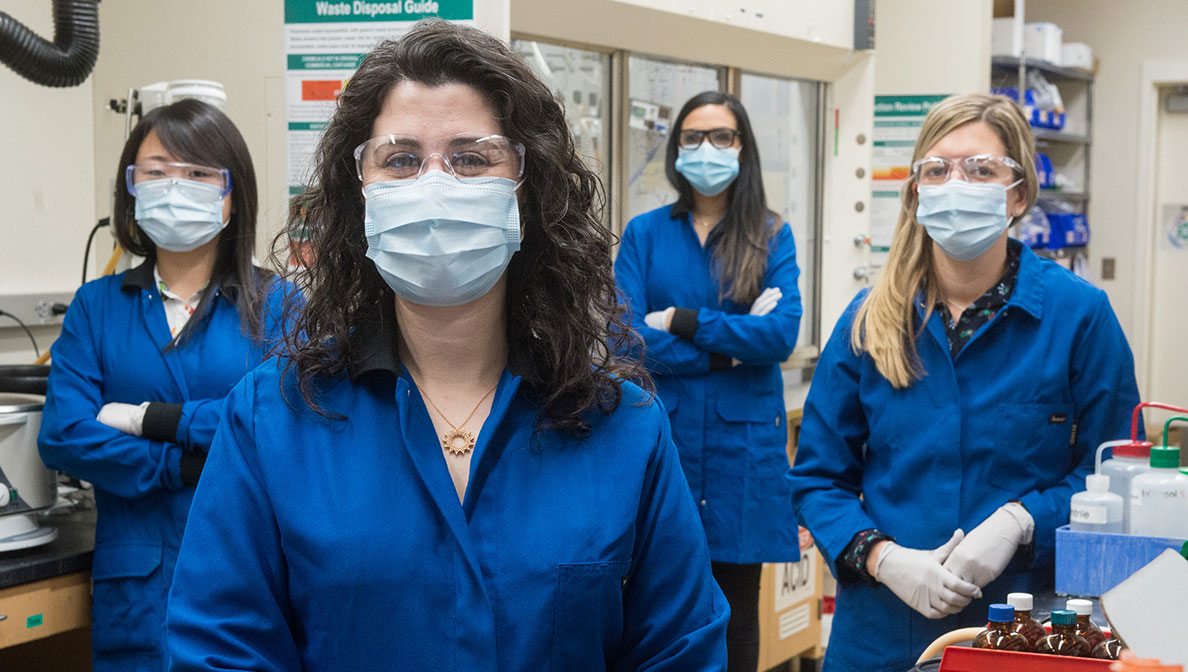
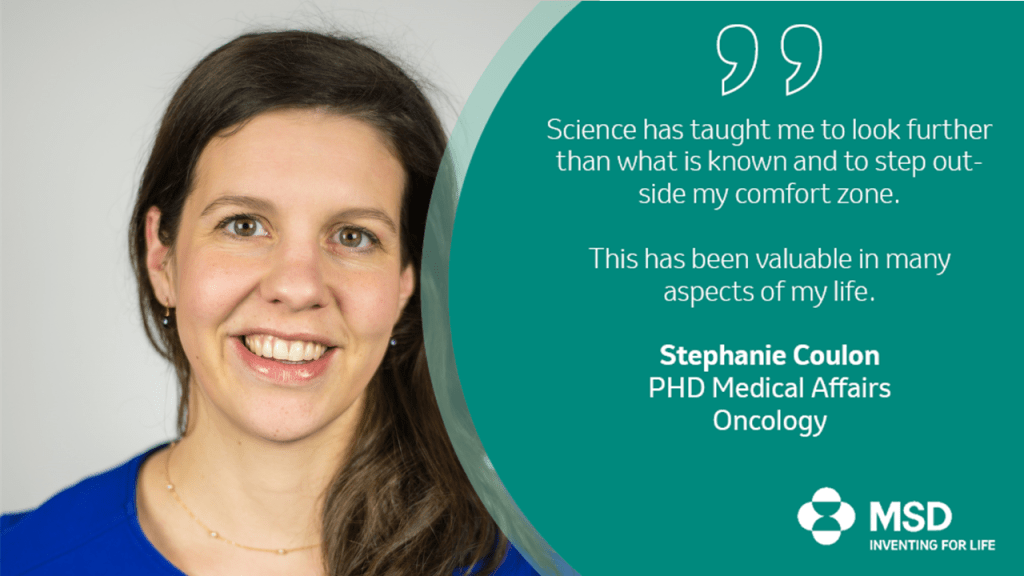
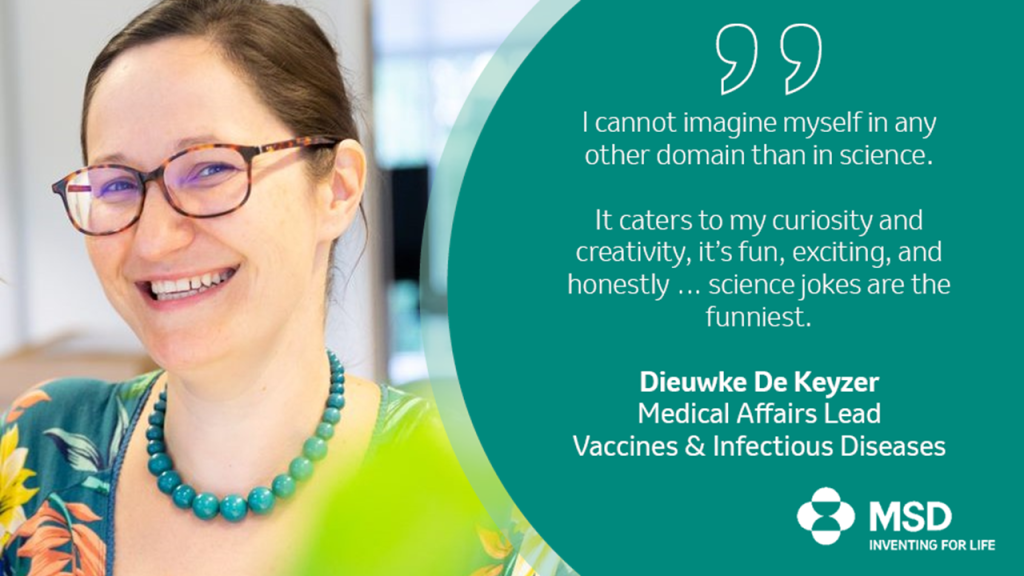
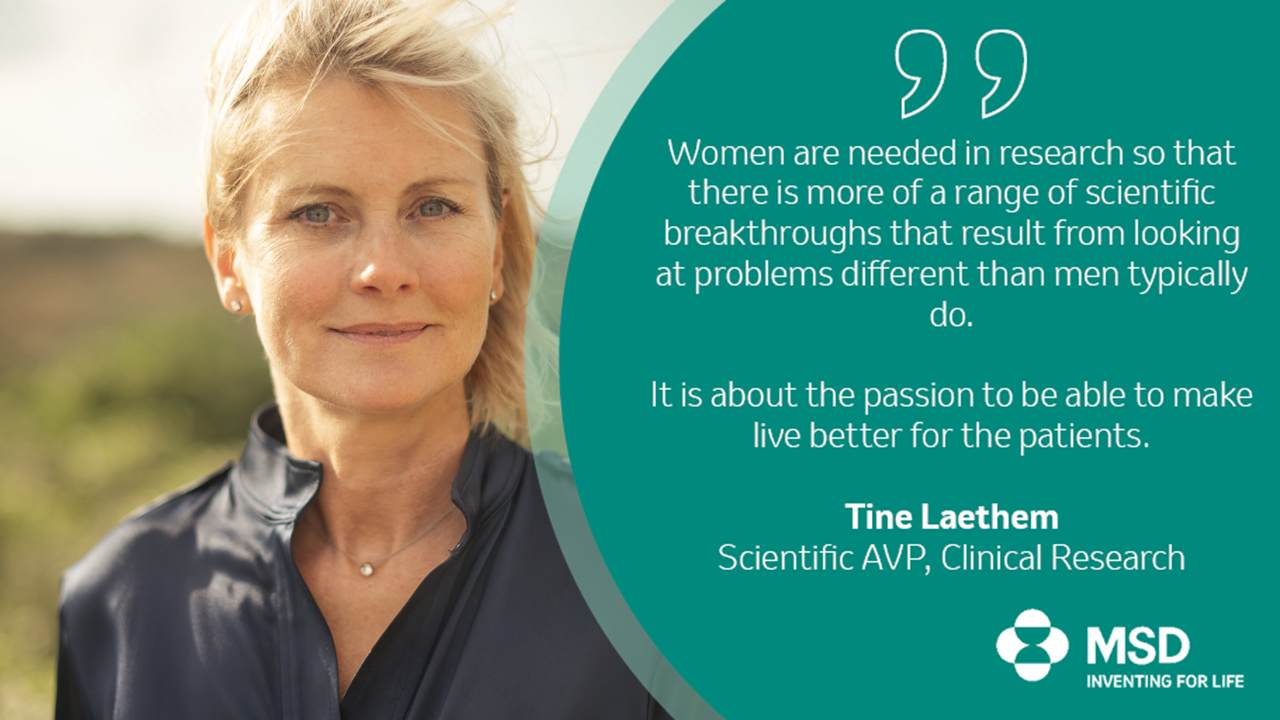
Today, meet some inspiring colleagues from MSD BeLux and learn what it means for them to be #WomenInScience.